Advanced Robotic Neuro Rehabilitation in Dehradun
Neurological conditions such as stroke, paralysis, spinal cord injury, Parkinson’s disease, traumatic brain injury, and cerebral palsy can significantly affect a person’s mobility, balance, independence, and quality of life. While medical treatment is important, recovery often remains incomplete without proper rehabilitation. This is where advanced neuro rehabilitation plays a vital role.
At Advaith Ability, Dehradun, advanced robotic neuro rehabilitation combines modern rehabilitation technology with personalized therapy programs to help patients regain movement, improve functional abilities, and restore confidence in daily life. Neuro rehabilitation is not only about physical recovery — it is about helping patients regain independence, dignity, and a better quality of life.
What is Robotic Neuro Rehabilitation?
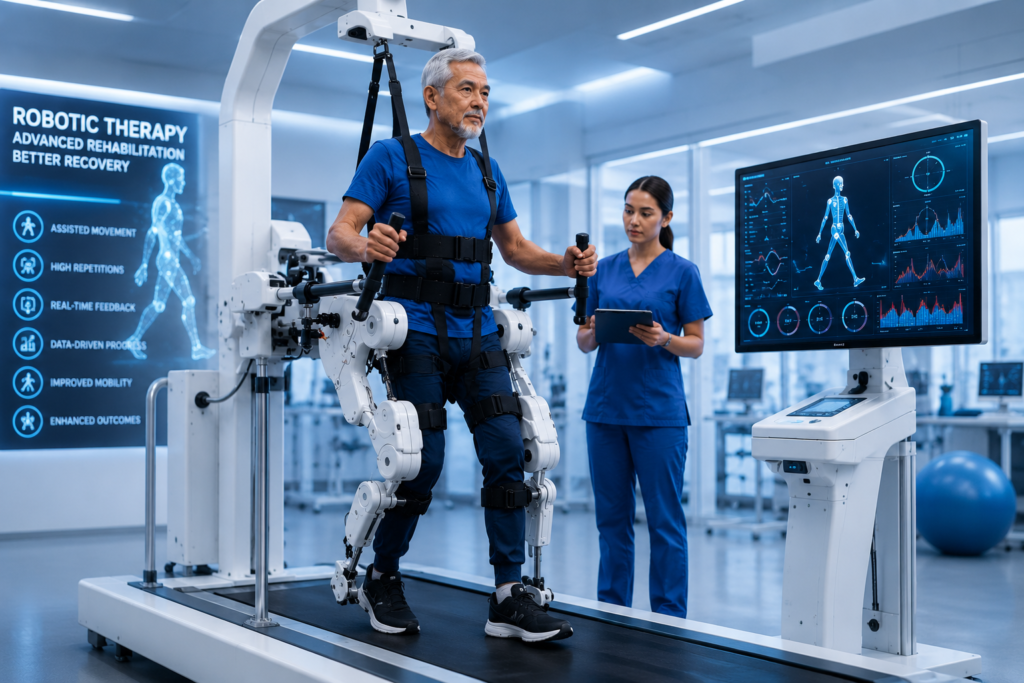
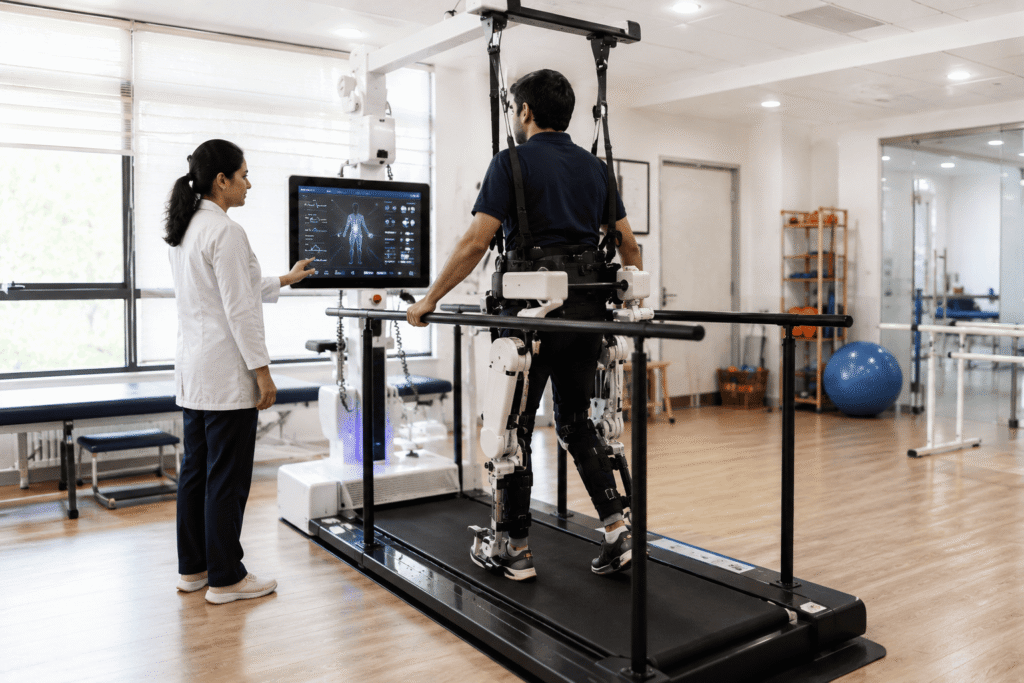
Robotic neuro rehabilitation is an advanced form of neurological rehabilitation that uses technology-assisted therapy systems to support recovery in patients with neurological disorders and injuries. These robotic rehabilitation systems help patients perform repetitive, controlled, and precise movements that stimulate the nervous system and improve functional recovery.
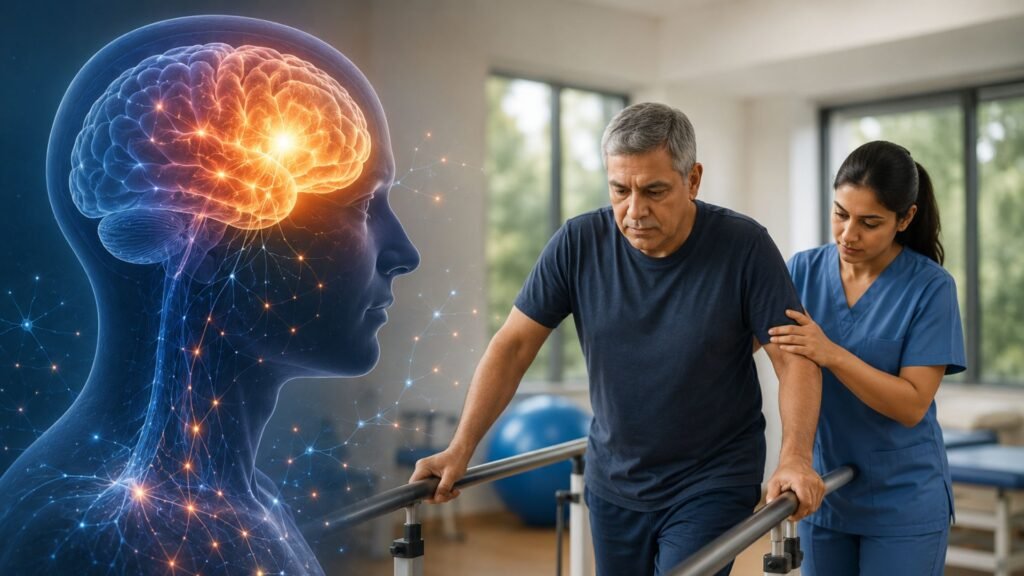
The human brain and nervous system have an incredible ability called neuroplasticity, which allows the brain to reorganize and create new neural connections after injury. Robotic rehabilitation supports this process by providing consistent and scientifically designed movement therapy.
Advanced robotic neuro rehabilitation can help improve:
- Walking ability
- Balance and coordination
- Muscle strength
- Hand and arm function
- Mobility and posture
- Functional independence
Conditions Treated Through Neuro Rehabilitation
Stroke Rehabilitation
Stroke is one of the leading causes of disability worldwide. After a stroke, many patients experience weakness, paralysis, speech difficulty, poor balance, and loss of coordination.
Neuro rehabilitation after stroke focuses on helping patients regain functional movement and independence through:
- Gait training
- Balance rehabilitation
- Muscle strengthening
- Functional mobility exercises
- Speech and swallowing therapy
- Hand function training
Early rehabilitation after stroke can significantly improve recovery outcomes and reduce long-term disability.
Paralysis Rehabilitation
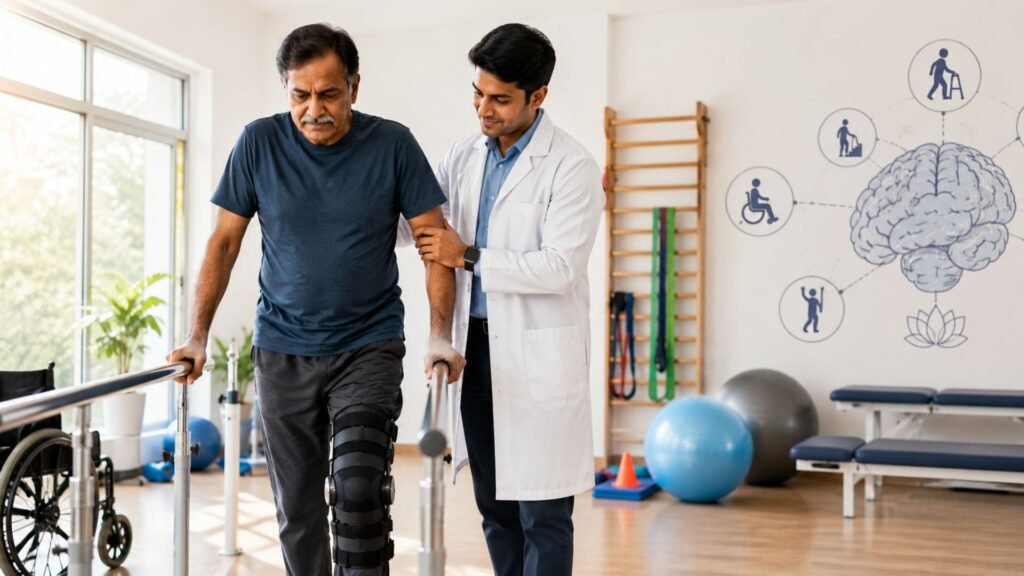
Paralysis can occur due to stroke, spinal cord injury, nerve damage, or neurological disorders. Patients may experience weakness or complete loss of movement in certain parts of the body.
Advanced paralysis rehabilitation programs aim to:
- Improve muscle control
- Enhance mobility
- Restore balance and coordination
- Improve posture and stability
- Promote functional independence
Robotic-assisted therapy allows repetitive movement training, which is highly beneficial in paralysis rehabilitation.
Spinal Cord Injury Rehabilitation
Spinal cord injuries can severely affect mobility, sensation, and daily functioning. Rehabilitation plays a crucial role in helping patients maximize their recovery and improve quality of life.
Spinal cord injury rehabilitation may include:
- Strength training
- Mobility exercises
- Balance rehabilitation
- Transfer training
- Gait rehabilitation
- Functional training
Advanced rehabilitation technologies help patients improve movement patterns and physical capabilities safely and effectively.
Parkinson’s Disease Rehabilitation
Parkinson’s disease affects movement, coordination, posture, and balance. Patients often experience tremors, stiffness, slow movements, and difficulty walking.
Neuro rehabilitation for Parkinson’s disease focuses on:
- Improving balance
- Enhancing gait and walking
- Reducing stiffness
- Increasing mobility
- Improving coordination and posture
Regular rehabilitation can help patients maintain independence and improve daily functioning.
Traumatic Brain Injury Rehabilitation
Traumatic brain injuries can affect movement, speech, cognition, memory, and coordination. Rehabilitation programs are designed according to the individual needs of each patient.
Therapies may include:
- Cognitive rehabilitation
- Physical therapy
- Occupational therapy
- Balance and coordination training
- Functional mobility exercises
Comprehensive neuro rehabilitation helps patients regain confidence and improve participation in daily life activities.
Pediatric Neuro Rehabilitation
Children with neurological conditions require specialized rehabilitation approaches focused on growth, development, and motor function improvement.
Pediatric neuro rehabilitation can help children with:
- Cerebral palsy
- Developmental delay
- Neuromuscular disorders
- Pediatric neurological conditions
Therapy programs are designed to improve:
- Motor skills
- Balance and coordination
- Walking ability
- Functional independence
- Muscle strength
Why Some Stroke & Paralysis Patients Recover Faster Than Others
One of the biggest misconceptions in neurological rehabilitation is that all patients recover at the same speed if they receive therapy regularly. In reality, neurological recovery varies greatly from person to person.
Some patients show rapid improvement within weeks, while others may experience slow progress despite continuous therapy. This difference often depends on several hidden clinical and psychological factors.
Factors That Affect Neurological Recovery
Severity and Location of Brain Injury
In stroke patients, the exact area of brain damage often matters more than the size of the stroke itself. Damage affecting balance centers, speech areas, or motor pathways may require more intensive rehabilitation.
Timing of Rehabilitation
Patients who begin rehabilitation early generally show better outcomes compared to delayed rehabilitation. Long delays may lead to muscle stiffness, poor posture, weakness, and reduced neuroplasticity.
Mental Health and Motivation
Depression, anxiety, fear of falling, and emotional stress significantly affect rehabilitation participation and recovery outcomes.
Family Support and Environment
Patients who receive encouragement, emotional support, and consistent home exercises often progress better than those with inactivity or limited support.
Presence of Spasticity and Muscle Tightness
Severe muscle stiffness or abnormal movement patterns may slow recovery and require advanced rehabilitation strategies.
Myth vs Reality in Robotic Neuro Rehabilitation
Many patients and families have unrealistic expectations regarding robotic rehabilitation systems. While advanced technology can significantly improve rehabilitation outcomes, it is important to understand both the benefits and limitations.
| Myth | Reality |
|---|---|
| Robots can fully replace therapists | Human expertise remains essential |
| Robotic therapy guarantees walking recovery | Recovery varies between patients |
| Expensive machines alone improve outcomes | Proper therapy planning matters more |
| Recovery stops after a few months | Neuroplasticity may continue for years |
| Every neurological patient needs robotics | Treatment depends on clinical assessment |
Important Reality About Rehabilitation
Technology is only one part of successful rehabilitation. The combination of expert therapists, patient motivation, regular practice, and individualized therapy planning plays the biggest role in long-term recovery.
Benefits of Advanced Robotic Neuro Rehabilitation
Robotic neuro rehabilitation offers several advantages compared to conventional therapy alone.
Precision-Based Therapy
Robotic systems provide highly accurate and repetitive movement patterns that support neurological recovery.
Improved Patient Engagement
Technology-assisted therapy often motivates patients and increases participation during rehabilitation sessions.
Better Functional Recovery
Regular repetitive training helps improve muscle memory and movement coordination.
Enhanced Balance and Mobility
Advanced rehabilitation systems support gait training and balance improvement.
Personalized Rehabilitation Programs
Every patient has unique rehabilitation needs. Therapy plans are customized according to the patient’s condition, goals, and recovery stage.
Advanced Neuro Rehabilitation Strategies Used in Complex Cases
Not all patients respond similarly to standard rehabilitation protocols. Some patients experience recovery plateaus where progress becomes slow despite continuous therapy.
In such cases, advanced rehabilitation strategies become important.
Task-Specific Functional Training
Therapy focuses on real-life activities such as walking, standing, stair climbing, reaching, or transferring instead of only performing isolated exercises.
Dual-Task Rehabilitation
Patients perform physical and cognitive tasks simultaneously to improve real-world functional abilities.
Balance and Vestibular Rehabilitation
Patients with dizziness, imbalance, or vertigo may require specialized vestibular rehabilitation along with neuro rehabilitation.
Neuromuscular Re-Education
Therapists work to retrain correct movement patterns and reduce compensatory movements.
Combination Therapy Approaches
Advanced rehabilitation often combines:
- Robotic gait training
- Functional mobility exercises
- Balance rehabilitation
- Occupational therapy
- Cognitive therapy
- Strength training
Psychological & Family Factors That Influence Recovery
Neurological recovery is not only physical — it is deeply emotional and psychological.
Depression After Stroke or Paralysis
Many patients experience emotional stress, anxiety, frustration, or depression during recovery. These emotional challenges often reduce motivation and participation in therapy.
Fear of Falling
Patients who fear falling may avoid movement, leading to slower recovery and muscle weakness.
Caregiver Burnout
Family members may experience emotional exhaustion while caring for neurological patients. This can indirectly affect rehabilitation consistency.
Why Motivation Matters
Patients who remain mentally engaged and motivated often perform better during therapy and maintain better long-term rehabilitation outcomes.
Home Rehabilitation Mistakes That Can Delay Recovery
Many neurological patients unknowingly delay recovery because of incorrect home rehabilitation practices.
Common Home Rehabilitation Mistakes
- Excessive bed rest
- Inconsistent exercise routines
- Improper walker usage
- Avoiding movement due to fear
- Poor sitting posture
- Using wheelchairs unnecessarily
- Lack of balance practice
Why Home Exercises Matter
Neuroplasticity improves through regular repetition and consistency. Limited movement at home can slow down recovery progress achieved during therapy sessions.
Risks of Random Online Exercises
Patients should avoid blindly following internet exercise videos without professional guidance because incorrect exercises may worsen muscle stiffness, pain, or imbalance.
Advanced Rehabilitation Technologies
Modern neuro rehabilitation centers use advanced technologies to support neurological recovery.
These may include:
- Robotic gait training systems
- Balance rehabilitation systems
- Vertigo rehabilitation technology
- Sensor-based therapy
- Neuro-muscular re-education
- Functional mobility training
- Assisted movement therapy
Technology-assisted rehabilitation can significantly improve therapy outcomes when combined with expert clinical care.
Why Early Neuro Rehabilitation Matters
Early rehabilitation is extremely important after neurological injury or illness. Delayed rehabilitation can lead to muscle stiffness, weakness, poor mobility, and long-term disability.
Starting rehabilitation early can help:
- Improve recovery potential
- Prevent complications
- Enhance mobility
- Improve independence
- Support faster functional recovery
The sooner rehabilitation begins, the better the chances of restoring functional abilities.
Symptoms That May Need Neuro Rehabilitation
Patients should seek neuro rehabilitation if they experience:
- Difficulty walking
- Weakness in arms or legs
- Loss of balance
- Tremors
- Muscle stiffness
- Poor coordination
- Difficulty speaking
- Reduced mobility
- Functional limitations after neurological illness or injury
Professional evaluation can help determine the right rehabilitation program based on individual needs.
Why Choose Advaith Ability for Neuro Rehabilitation in Dehradun?
Advaith Ability in Dehradun focuses on patient-centered neurological rehabilitation with advanced technology and personalized care.
Key Highlights
- Advanced robotic neuro rehabilitation
- Personalized therapy programs
- Multidisciplinary rehabilitation approach
- Expert rehabilitation professionals
- Modern rehabilitation infrastructure
- Comprehensive neurological recovery support
- Stroke rehabilitation programs
- Paralysis rehabilitation support
- Vestibular and balance rehabilitation
- Functional mobility improvement
The goal is to help patients regain movement, confidence, independence, and a better quality of life.
Areas Served Around Dehradun
Patients visit Advaith Ability from various locations including:
- Ballupur
- Rajpur Road
- Clement Town
- Sahastradhara Road
- Prem Nagar
- ISBT
- Haridwar Road
- Vikas Nagar
- Mussoorie
- Rishikesh
- Dalanwala
- Patel Nagar
- Defence Colony
- GMS Road
- Nehru Colony
- Chakrata Road
Frequently Asked Questions
What is robotic neuro rehabilitation?
Robotic neuro rehabilitation uses advanced technology-assisted therapy systems to improve neurological recovery and functional movement.
Who needs neuro rehabilitation?
Patients recovering from stroke, paralysis, spinal cord injury, Parkinson’s disease, traumatic brain injury, and other neurological conditions may benefit from neuro rehabilitation.
Can paralysis patients recover with rehabilitation?
Many paralysis patients can improve mobility, strength, and functional independence with proper rehabilitation and therapy.
Is robotic rehabilitation safe?
Yes, robotic rehabilitation is generally safe and is performed under the supervision of trained rehabilitation professionals.
How long does neuro rehabilitation take?
Recovery duration depends on the patient’s condition, severity, age, and rehabilitation goals. Every patient’s recovery journey is different.
Does rehabilitation help after stroke?
Yes, stroke rehabilitation plays a major role in improving mobility, balance, speech, coordination, and independence after stroke.
Can elderly patients benefit from neuro rehabilitation?
Yes, elderly patients often benefit significantly from structured rehabilitation programs focused on mobility, balance, strength, and independence.
Conclusion
Neurological conditions can affect every aspect of a person’s life, but advanced rehabilitation can make a significant difference in recovery and independence. Robotic neuro rehabilitation combines modern technology with specialized therapeutic care to help patients improve movement, regain confidence, and enhance quality of life.
Whether recovering from stroke, paralysis, spinal cord injury, Parkinson’s disease, traumatic brain injury, or pediatric neurological conditions, professional neuro rehabilitation provides structured support for long-term recovery and functional improvement.
At Advaith Ability, Dehradun, the focus is not only on therapy but on restoring confidence, independence, mobility, and better daily living through comprehensive neuro rehabilitation care.
If you or your loved one requires advanced neuro rehabilitation in Dehradun, timely assessment and personalized therapy can help achieve better recovery outcomes and improved quality of life.
Advaith Ability
Bharat Tower, Shimla Bypass Road, Dehradun – 248171
Ph.: +91 99152-10539, +91 9915210578
Email: rehab@advaithability.com
Website: www.advaithability.com
Follow : Instagram | Facebook | YouTube
Also Read : How to Speed Up Stroke Recovery: A Neurologist’s Guide to Neuroplasticity and Brain Healing
Also read : Looking for the Best Neuro Rehabilitation Center in Dehradun?