Introduction to Robotic Therapy in Stroke Recovery
Stroke can change life in seconds. Simple movements like walking, holding a cup, or even speaking can become difficult. This is where robotic therapy for stroke recovery is transforming the future of rehabilitation. Unlike traditional physiotherapy alone, robotic-assisted treatment brings precision, repetition, and measurable progress—helping patients regain movement faster and more effectively.
At Advaith Ability, this advanced approach is already helping patients rebuild strength, improve mobility, and restore independence. As Uttarakhand’s 1st Advanced Robotic Neuro-Rehab & Physiotherapy Center in Dehradun, the focus is not just recovery—but faster, smarter, and more scientific recovery.
What is Robotic Therapy in Stroke Rehabilitation?
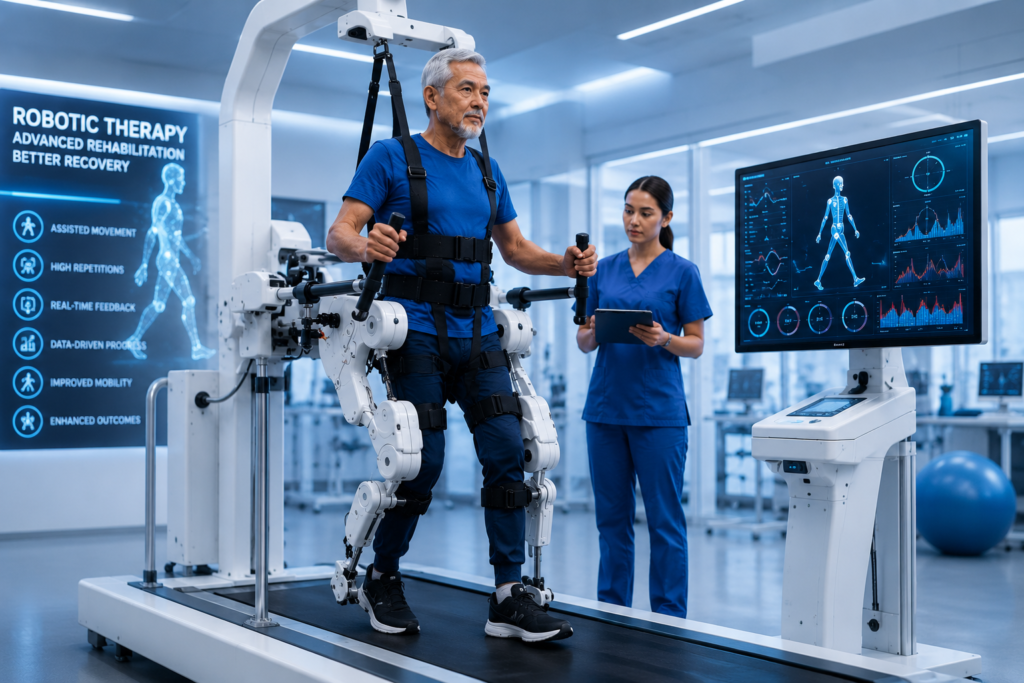
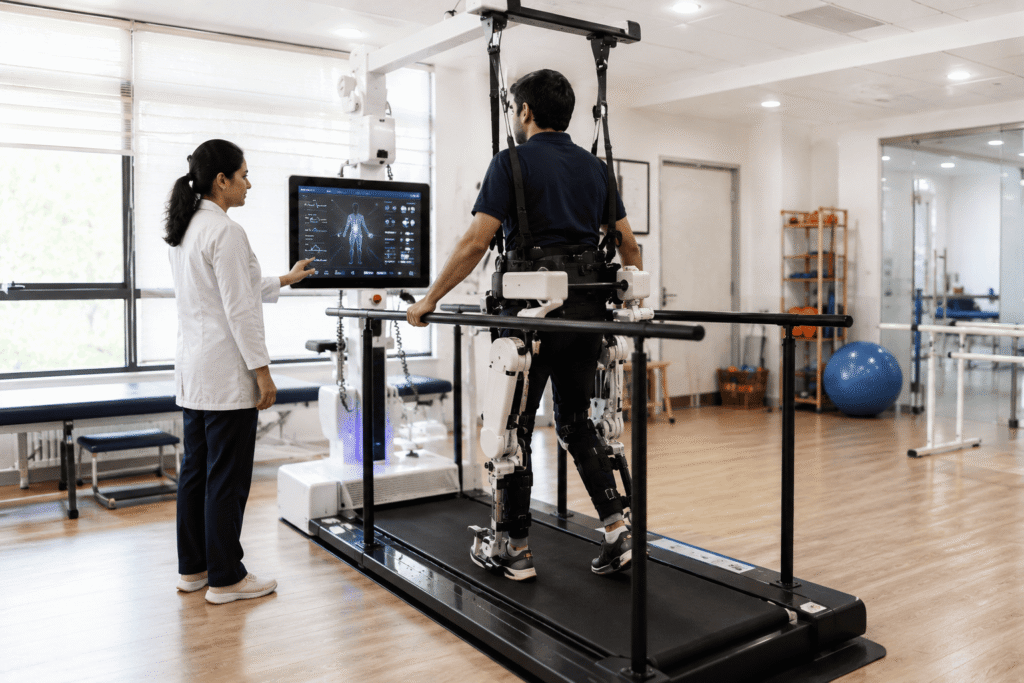
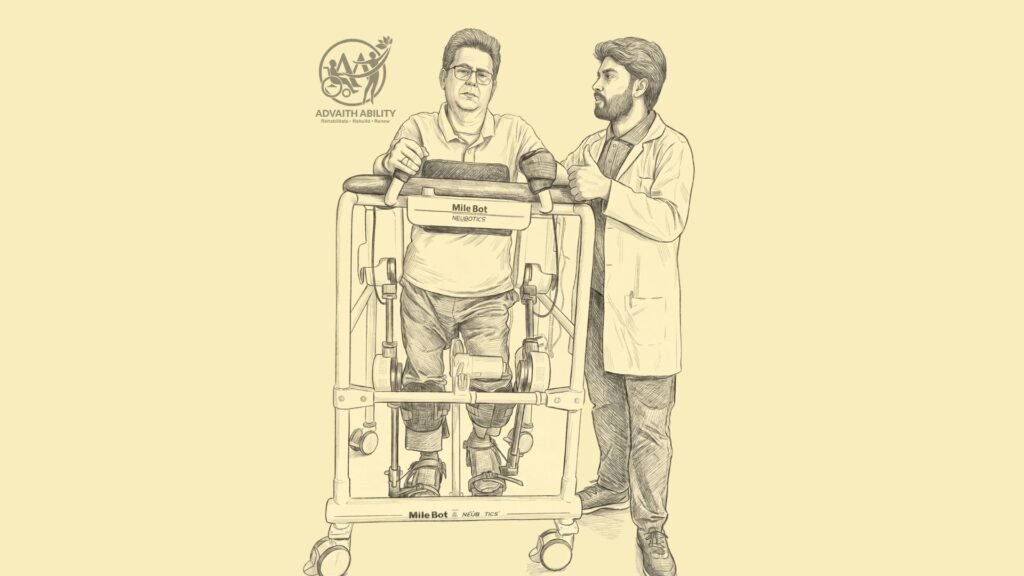
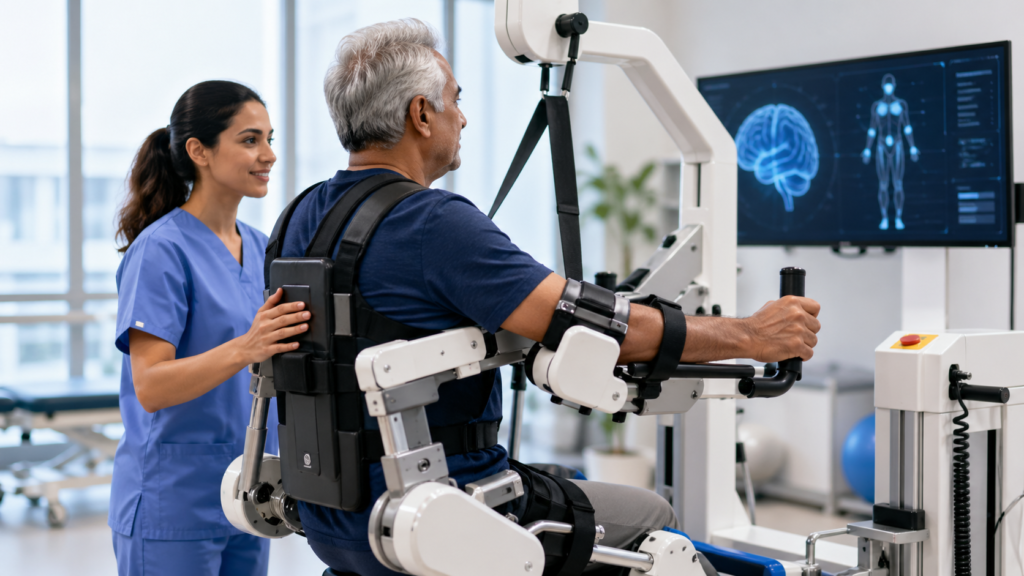
Robotic therapy is an advanced form of neuro rehabilitation technology that uses machines and intelligent systems to assist patients in performing controlled, repetitive movements. These systems are designed to support the brain’s ability to relearn lost functions after a stroke.
How It Works
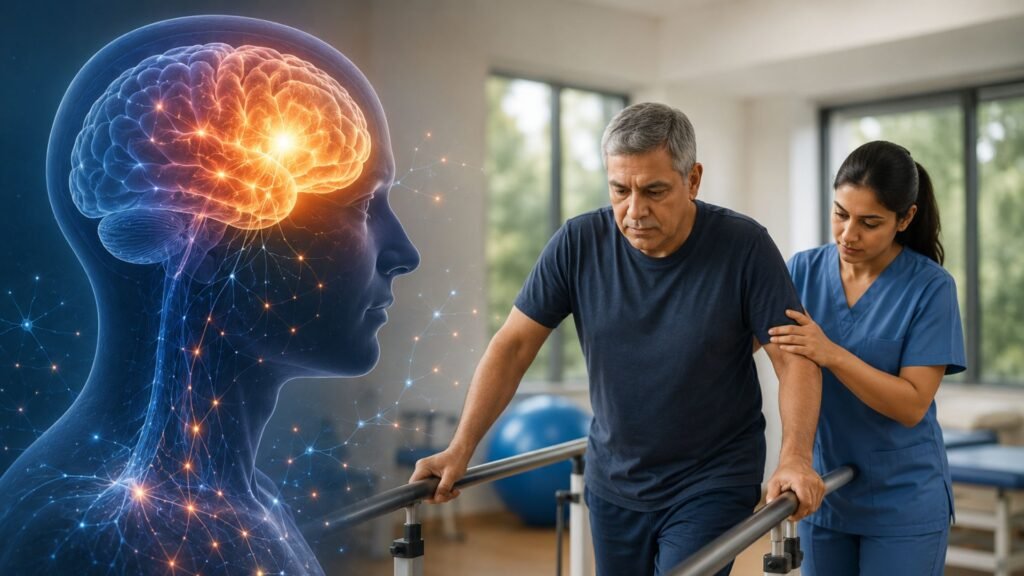
Robotic devices guide the patient’s limbs through precise movements. This helps stimulate the brain and muscles simultaneously, promoting neuroplasticity in stroke recovery—the brain’s natural ability to reorganize itself and form new connections.
Types of Robotic Therapy Used
- Robotic gait training (walking assistance)
- Robotic arm and hand rehabilitation
- Balance and posture training systems
These technologies ensure that every movement is accurate, consistent, and optimized for faster healing.
Why Stroke Recovery Needs Advanced Rehabilitation
Stroke affects the brain’s control over muscles. Traditional therapy depends heavily on manual repetition, which can be limited by time, therapist fatigue, and patient endurance.
Challenges in Conventional Therapy
- Limited repetition of movements
- Inconsistent motion patterns
- Slower progress tracking
Role of Technology in Modern Rehab
With robotic physiotherapy for stroke patients, thousands of precise repetitions can be performed in one session. This significantly accelerates recovery and improves outcomes.
How Robotic Therapy Helps Stroke Patients Recover Faster
The main reason why robotic therapy for stroke recovery is gaining popularity is its ability to enhance speed and quality of recovery. It works on multiple levels—physical, neurological, and psychological.
Enhances Neuroplasticity
The brain can rewire itself after injury. Robotic therapy stimulates this process by repeating movements consistently, strengthening new neural pathways.
Provides High-Intensity Repetition
Recovery requires repetition. Robots can perform hundreds to thousands of repetitions in a controlled way, something difficult to achieve manually.
Improves Muscle Strength and Coordination
By guiding correct movements, robotic systems help rebuild muscle memory, improve coordination, and reduce stiffness.
Real-Time Feedback and Progress Tracking
Patients and therapists can track improvement instantly. This keeps motivation high and allows personalized treatment plans.
Reduces Dependency on Caregivers
As patients regain mobility faster, their dependence on others decreases, improving confidence and quality of life.
Key Benefits of Robotic Physiotherapy for Stroke Patients
Robotic rehabilitation offers several advantages over traditional methods, making it one of the most effective stroke rehabilitation techniques today.
Faster Functional Recovery
Patients often regain walking and arm movement earlier compared to conventional therapy.
Precision and Safety
Movements are controlled and safe, reducing the risk of injury or incorrect exercise.
Personalized Treatment Plans
Each session is adjusted based on patient performance, ensuring optimal progress.
Motivation and Engagement
Interactive systems and visual feedback make therapy more engaging, encouraging patients to participate actively.
Robotic Therapy vs Traditional Physiotherapy
Understanding the difference helps patients and families make better decisions about treatment.
Traditional Therapy
- Therapist-dependent
- Limited repetitions
- Slower measurable results
Robotic Therapy
- Technology-assisted precision
- High repetition and consistency
- Faster and trackable progress
At Advaith Ability, both approaches are combined to deliver the best results. This hybrid model ensures that patients receive human care along with advanced technology.
Conditions That Benefit from Robotic Neuro Rehabilitation
Although widely used for stroke, robotic therapy is effective for multiple neurological conditions.
Stroke and Paralysis
Helps restore walking, hand movement, and coordination.
Spinal Cord Injury
Supports mobility training and muscle activation.
Parkinson’s Disease
Improves balance, posture, and movement control.
Brain Injury Rehabilitation
Enhances recovery of lost motor functions.
Real-Life Recovery Journey: What Patients Experience
Recovery is not instant, but robotic therapy accelerates the journey significantly.
Initial Phase
Focus on basic movements and muscle activation.
Middle Phase
Improvement in strength, coordination, and balance.
Advanced Phase
Regaining independence in daily activities like walking and using hands.
Patients undergoing robotic physiotherapy for stroke patients often report noticeable improvements within weeks when therapy is started early.
Why Early Rehabilitation is Critical After Stroke
Time plays a crucial role in recovery. The earlier the therapy starts, the better the results.
Golden Window of Recovery
The first 3–6 months after stroke are the most important for brain recovery.
Preventing Muscle Stiffness
Early therapy prevents complications like muscle tightness and joint stiffness.
Faster Return to Daily Life
Patients regain independence sooner with early intervention.
Why Choose Advanced Robotic Rehab at Advaith Ability
Choosing the right rehabilitation center is crucial for recovery. Advaith Ability stands out for its advanced infrastructure and patient-focused care.
Key Highlights
- Uttarakhand’s 1st Advanced Robotic Neuro-Rehab Center
- Combination of robotic and manual therapy
- Experienced neuro rehabilitation specialists
- Personalized recovery programs
Patient-Centric Approach
Every patient receives a customized plan based on their condition, ensuring faster and more effective recovery.
Cost vs Value: Is Robotic Therapy Worth It?
Many families worry about the cost of advanced therapy. However, the value it provides often outweighs the investment.
Faster Recovery Means Lower Long-Term Costs
Shorter recovery time reduces overall medical expenses and caregiving costs.
Better Quality of Life
Regaining independence is priceless—for both patients and families.
Common Myths About Robotic Therapy
There are several misconceptions that prevent people from choosing advanced rehabilitation.
Myth 1: Robots Replace Therapists
Reality: Robots assist therapists, not replace them.
Myth 2: It is Only for Severe Cases
Reality: It benefits mild to severe stroke patients.
Myth 3: It is Unsafe
Reality: Robotic systems are designed with high safety standards.
Future of Stroke Rehabilitation in India
The future of robotic therapy for stroke recovery is promising. With increasing awareness and accessibility, more patients are choosing advanced rehabilitation methods.
Technology will continue to evolve, making recovery faster, more efficient, and more accessible across India.
Call to Action – Start Your Recovery Journey Today
If you or your loved one is recovering from stroke, early and advanced rehabilitation can make a life-changing difference.
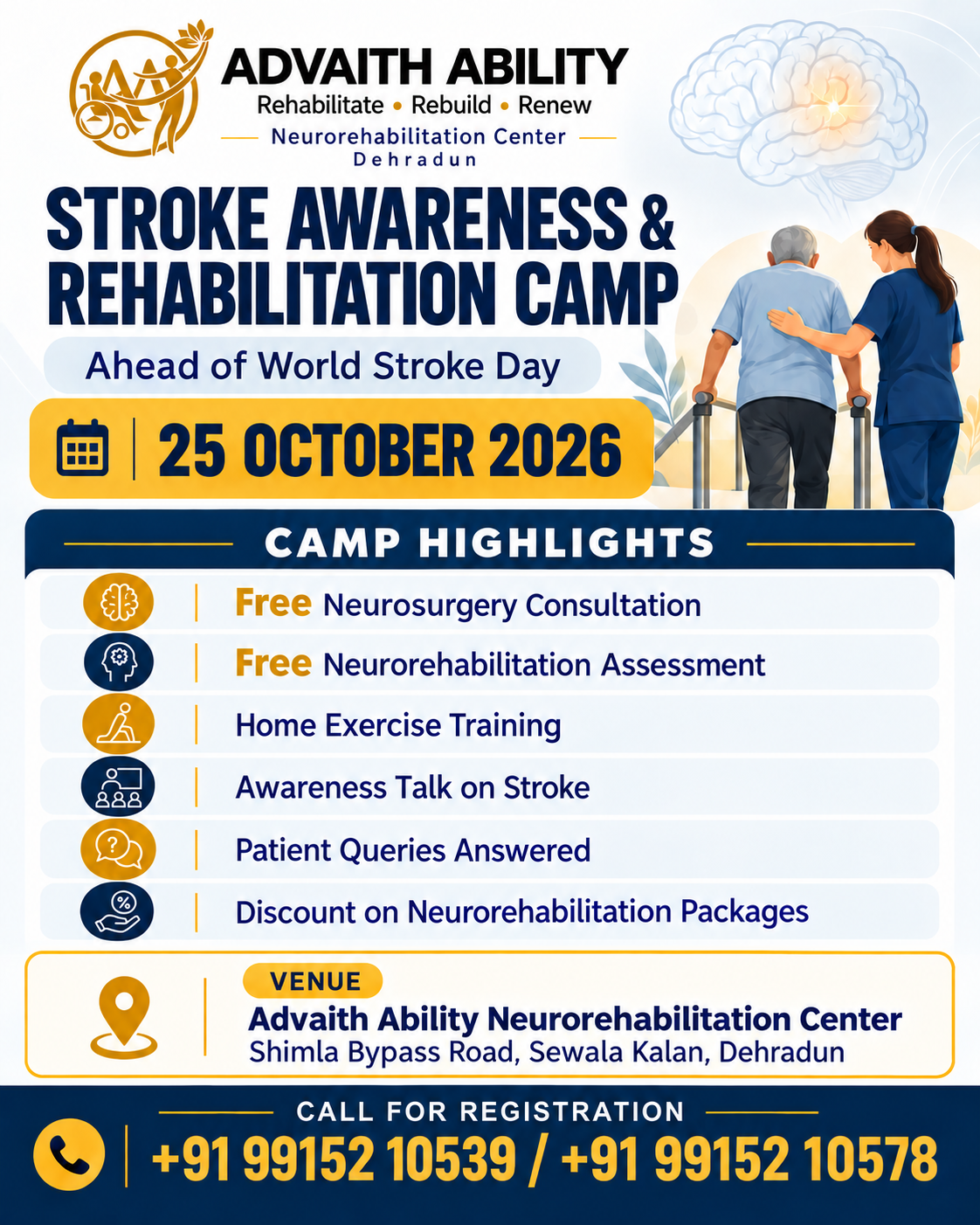
Visit Advaith Ability –
Address: Bharat Tower, Shimla Bypass Road, Dehradun
Call: +91 9915210539 / +91 9915210578
Take the first step toward faster recovery with expert care and advanced robotic therapy.
FAQs on Robotic Therapy for Stroke Recovery
What is robotic therapy for stroke recovery?
It is an advanced rehabilitation method using machines to help patients regain movement through guided exercises.
How does robotic therapy help stroke patients?
It improves neuroplasticity in stroke recovery, strengthens muscles, and accelerates functional improvement.
Is robotic physiotherapy better than traditional therapy?
It is more precise and faster, but best results come from combining both methods.
How soon should therapy start after stroke?
As early as possible, ideally within the first few weeks after medical stabilization.
Is robotic therapy painful?
No, it is designed to be safe, comfortable, and controlled.
How long does recovery take with robotic therapy?
Recovery time varies, but patients often see faster improvement compared to traditional methods.
Is robotic therapy available in Dehradun?
Yes, at Advaith Ability, offering advanced robotic neuro rehabilitation.
Can elderly patients undergo robotic therapy?
Yes, it is suitable for patients of all age groups depending on medical condition.
What conditions can be treated besides stroke?
Paralysis, spinal cord injury, Parkinson’s disease, and brain injuries.
Why choose Advaith Ability for stroke rehabilitation?
Because it offers advanced robotic therapy, expert care, and personalized treatment plans for faster recovery.